
Description
Plant Profile
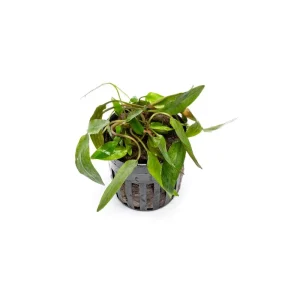
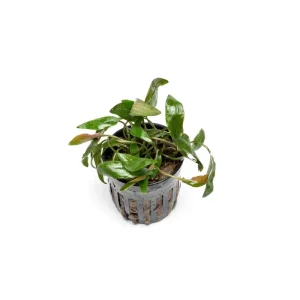
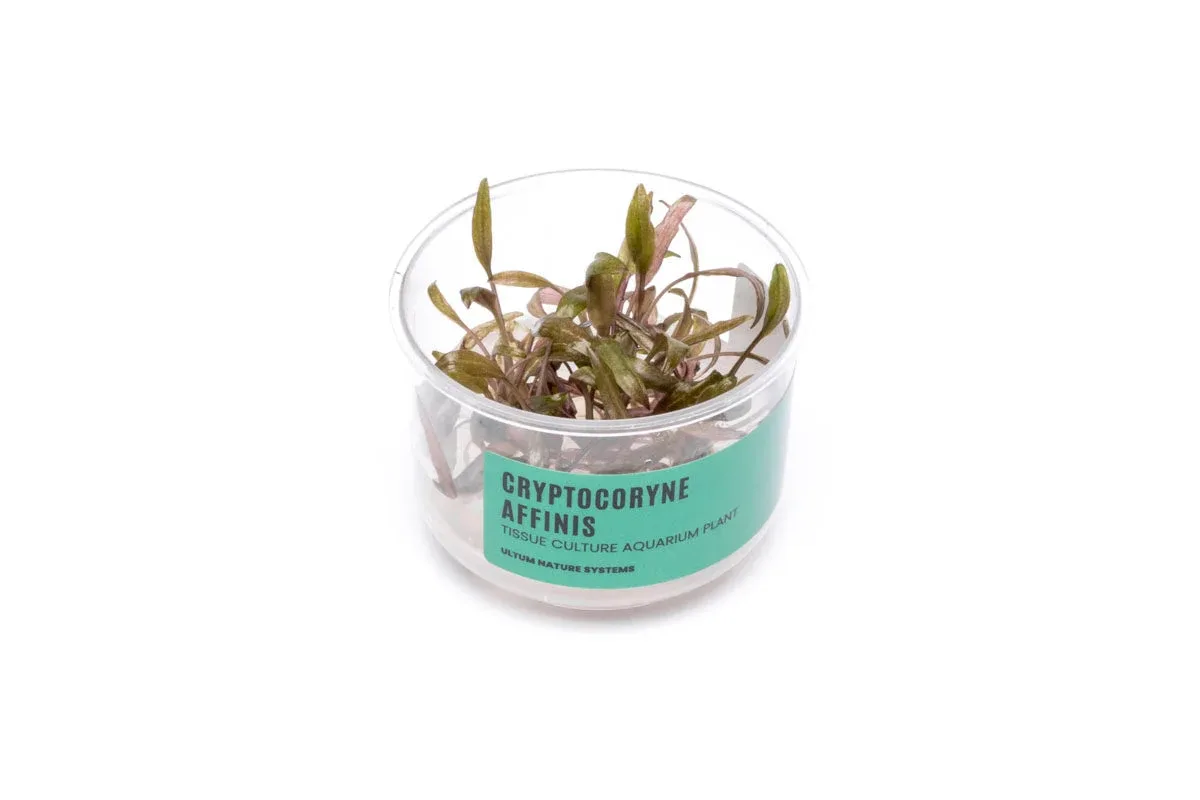
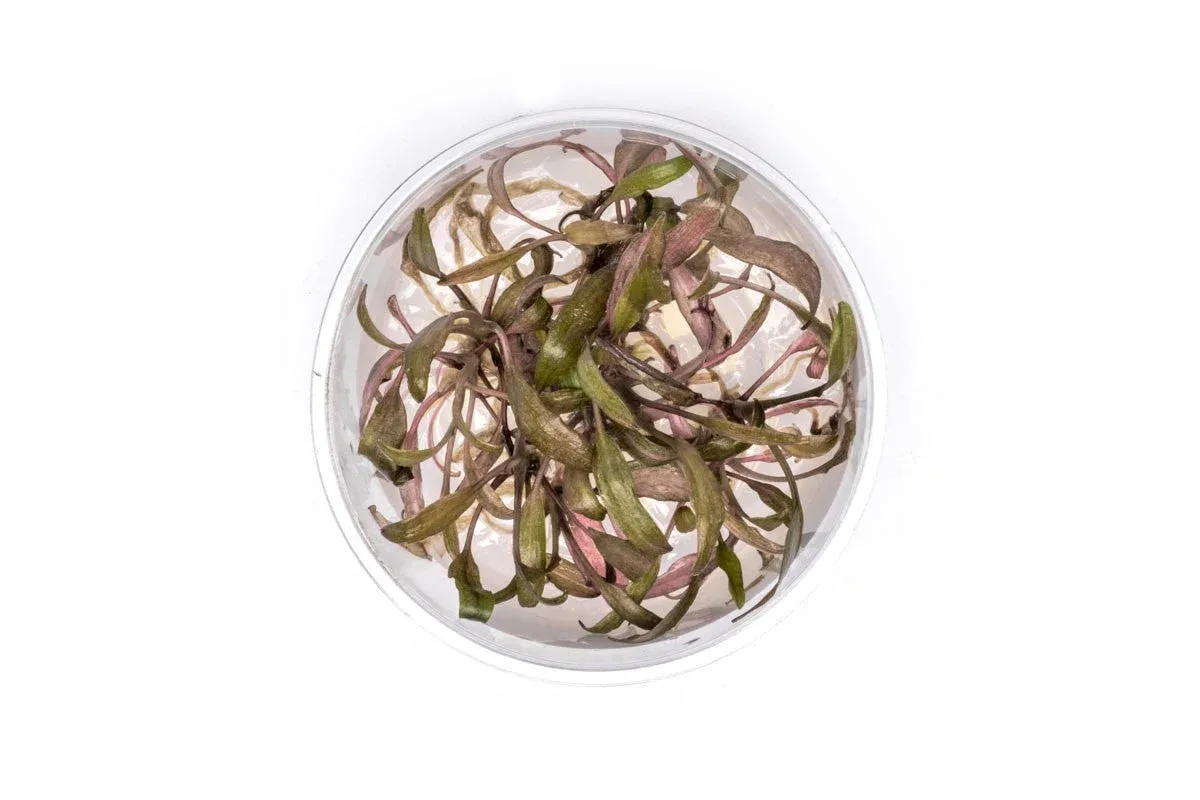
Once a classic in the early days of the hobby, this sought-after species stands out with elongated leaves featuring a signature pattern of lightly colored veins set against dark green-to-bronze foliage. As with all crypt plants, it can be sensitive to sudden parameter shifts and strongly objects to being relocated once planted. Given a permanent home in your substrate, however, its compact rosettes mature into an eye-catching, long-lasting accent that adds rich natural texture to your aquascape.
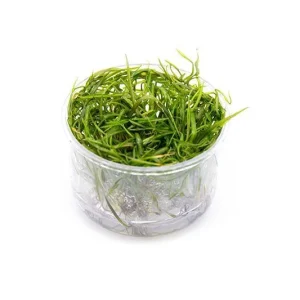
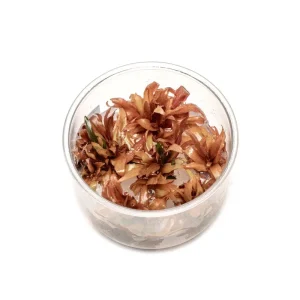
Tissue Culture cups ensure your aquascape gets a super clean starting point. Lab‑grown and fully sterile, it arrives without pests, snails, duckweed, or any unwanted algae. It’s the go‑to option for anyone who wants peace of mind when adding fresh greenery to a carefully maintained setup.
Key Features & Benefits
Long, distinctively veined foliage adds high-contrast patterning and texture to midground zones.
Can be grown emersed in high-humidity setups, where mature plants may produce flowering spathes.
Care & Planting Instructions
Thoroughly wash away the nutrient gel from the roots with your fingers before parting it out into manageable portions.
Use fine-tip pinsettes to push roots deep into quality aquarium soil, as Crypt species are heavy root feeders.
Insert root tab fertilizers if using an inert substrate like sand or gravel to supply essential subterranean nutrients.
Inject pressurized CO2 for faster growth and fuller foliage density, though not required for long-term health.
Choose a permanent spot from day one; moving an established plant will likely trigger leaf loss.
Crypt species can be grown emersed in high-humidity setups or submerged in aquariums. Propagate by splitting the rhizome or replanting new growth shoots.
Don’t discard the plant if leaves dissolve early on; see our guide to managing Cryptocoryne melt to help your plant recover smoothly.
Quick Facts
Listed information should be treated as general guidelines only. Team Buce Plant encourages you to do thorough research to ensure healthy growth!
Attribute
Specification
Scientific Name
Cryptocoryne affinis
Common Name(s)
Crypt Affinis
Family
Araceae
Plant Type
Rosette / Root Feeder (Tissue Culture)
Height
6–12″ (15–30 cm)
Care Difficulty
Easy
Light Requirement
Low to Medium
CO2 Requirement
Optional (Accelerates growth and foliage density)
Placement / Usage
Midground Accent
Growth Rate
Slow to Moderate
Water Parameters
pH 6.0–7.5 | Temperature 72°F–82°F (22°C–28°C)
Propagation Method
Rhizome Division / Runner Offshoots
Frequently Asked Questions
1. How do I prepare this tissue culture plant?
Rinse away the nutrient gel under lukewarm water to prevent algae or mold blooms, separate the plant mass into smaller portions, and plant directly into substrate using fine-tip pinsettes.
2. How do I help my Cryptocoryne recover if it melts?
Trim away dissolving leaves, maintain stable water parameters, and leave the root system undisturbed so it can rebuild new foliage. Check our guide to managing Cryptocoryne melt for full recovery steps.
3. Should I use root tabs or liquid fertilizers?
Root tabs are best. Cryptocoryne species are heavy root feeders that draw primary nutrition from the substrate rather than the water column.