
Description
Plant Profile
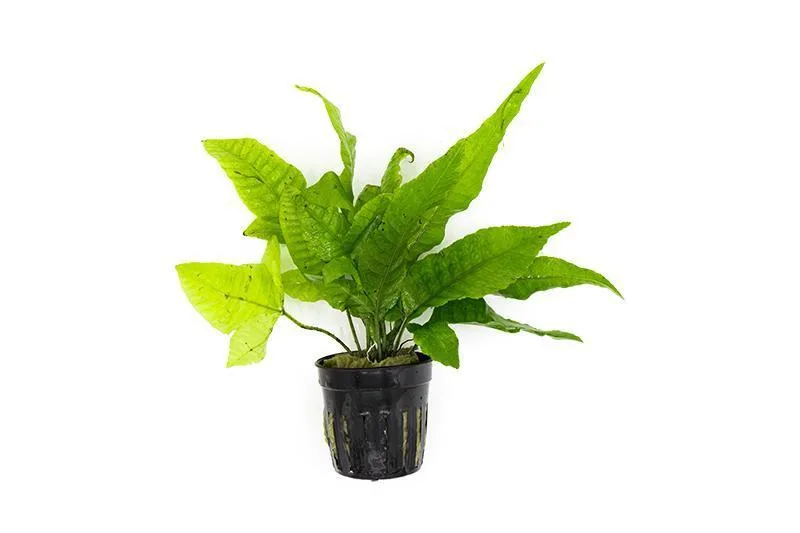
Bolbitis Heteroclita (Asian Water Fern) bridges the gap between delicate water ferns and classic Java Fern, featuring broad, deep-green fronds with a distinctively rugged leaf structure. Native to humid riverbanks across Southeast Asia, this slow-growing epiphyte stays compact at 2 to 4 inches, making it a versatile midground accent for planted aquariums, terrariums, and paludariums alike. Serving as the ultimate low-stress starter plant, this bulletproof fern thrives under dim lighting, laughs in the face of parameter swings, and remains unbothered by curious fish looking for a snack.
Key Features & Notes
Tough, fibrous foliage easily withstands curious nipping from herbivorous fish like cichlids, goldfish, and large snails.
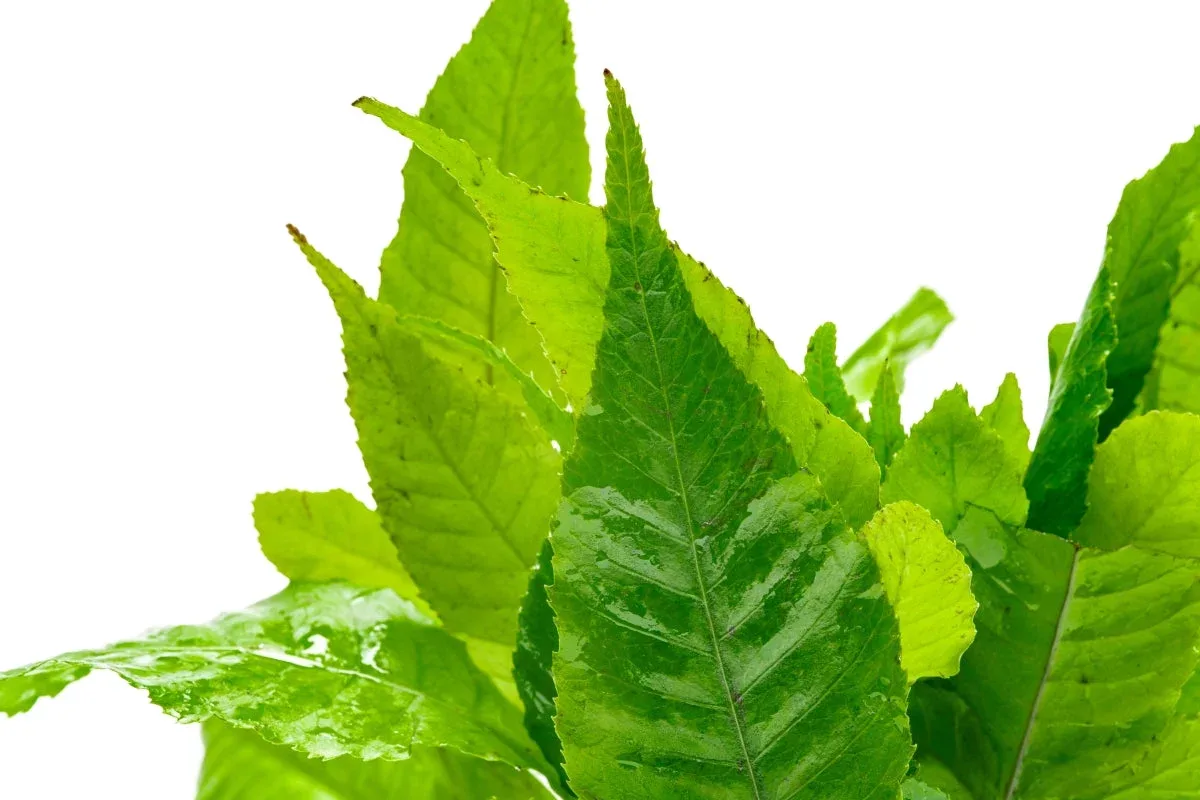
Broad, textured leaves resemble Java Fern while offering compact, bushy midground structure.
Exceptional hardiness lets it thrive in non-CO2 tanks and low-light environments.
Care & Planting Instructions
Prep the plant by removing it from the pot and clearing all rockwool from the roots.
Bolbitis Heteroclita is an epiphytic fern that should be attached to rocks or driftwood with aquarium-safe glue or thread; never bury the horizontal rhizome in substrate, as it will rot and melt.
Position this plant in areas with moderate to high water circulation, as Bolbitis species thrive when water currents pass gently through their fronds.
Avoid making drastic changes to your water parameters or lighting because unstable conditions are the primary cause of leaf melt in new specimens.
While this plant is hardy and low-maintenance in standard setups, gentle water movement and regular liquid fertilizing will yield much faster growth and broader fronds.
Final size and foliage pattern depend entirely on your specific aquarium conditions; please note that photos are a representation, and individual plants may vary.
Quick Facts
Listed information should be treated as general guidelines only. Team Buce Plant encourages you to do thorough research to ensure healthy growth!
Attribute
Specification
Scientific Name
Bolbitis heteroclita
Common Name(s)
Bolbitis Heteroclita, Asian Water Fern
Family
Dryopteridaceae
Plant Type
Epiphyte (Rhizome Fern)
Care Difficulty
Beginner / Easy (Low-Tech Compatible)
Light Requirement
Low to Medium
CO2 Requirement
Not Required (Beneficial)
Placement / Usage
Foreground, Midground, High-Flow Hardscape Accent
Height / Size
2″–4″ (5–10 cm)
Growth Rate
Slow
Water Parameters
pH 6.0–7.5 | Temperature 68°F–82°F (20°C–28°C)
Propagation Method
Rhizome Division
Origin
Southeast Asia
Frequently Asked Questions
1. What makes Bolbitis Heteroclita different from Bolbitis Heudelotii?
While Bolbitis Heudelotii (African Water Fern) features finely divided, translucent, pinnate leaves, Bolbitis Heteroclita produces broader, thicker foliage that more closely resembles standard Java Fern. It also tends to grow more compact in submerged aquarium conditions.
2. Can I plant Bolbitis Heteroclita directly into substrate?
No. Bolbitis Heteroclita is a true epiphyte that absorbs nutrients directly from the water column through its fronds and root network. Burying its horizontal rhizome in soil, sand, or gravel will cause the stem to suffocate, rot, and die. Always attach it to rocks or driftwood using plant glue or thread.
3. Can Bolbitis Heteroclita be grown in terrariums or paludariums?
Yes! Bolbitis Heteroclita adapts exceptionally well to emersed growth. When kept in high ambient humidity (80%+), it makes a fantastic choice for humid terrariums, vivariums, and paludarium land sections mounted onto wet rocks or moss walls.
4. Will fish like cichlids or goldfish eat Bolbitis Heteroclita?
Generally, no. Bolbitis leaves are thick, fibrous, and bitter-tasting, making them naturally unappealing to herbivorous fish. While rowdy diggers might knock unbound plants off hardscape, they rarely consume the foliage.