
Description
Plant Profile
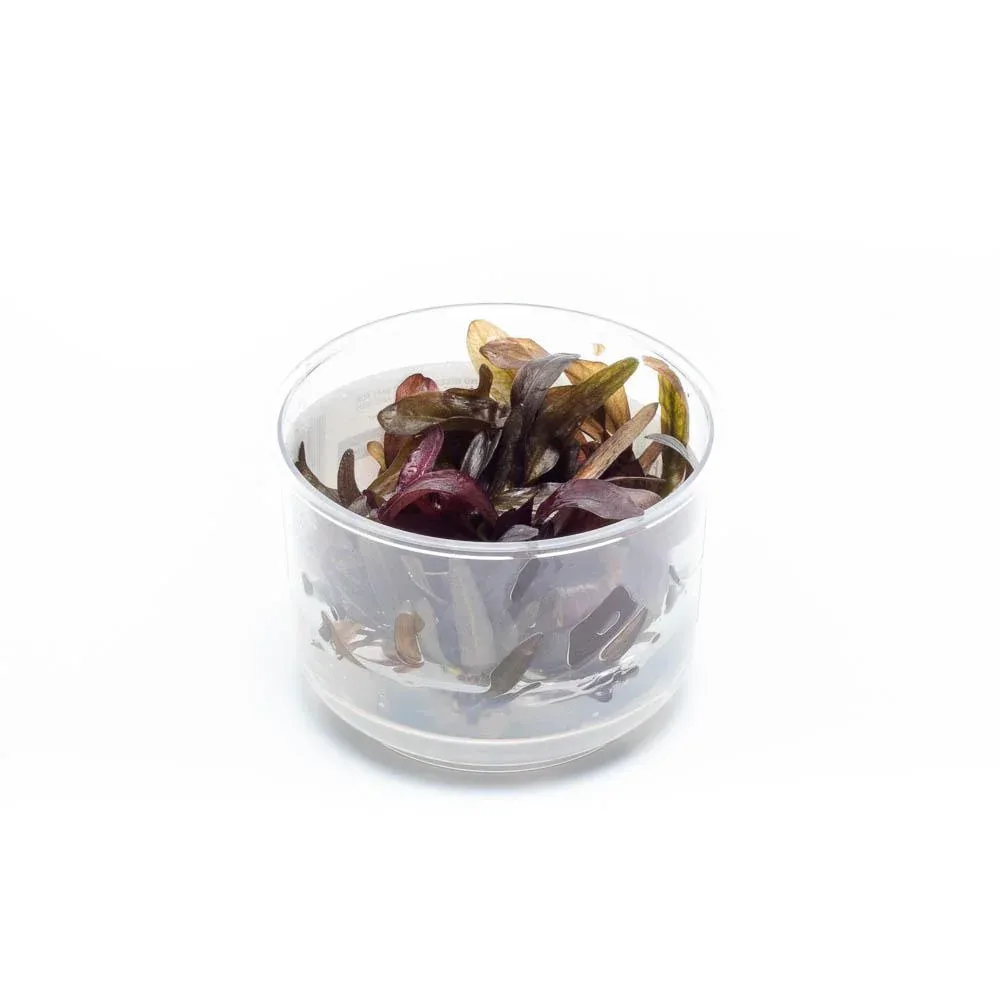
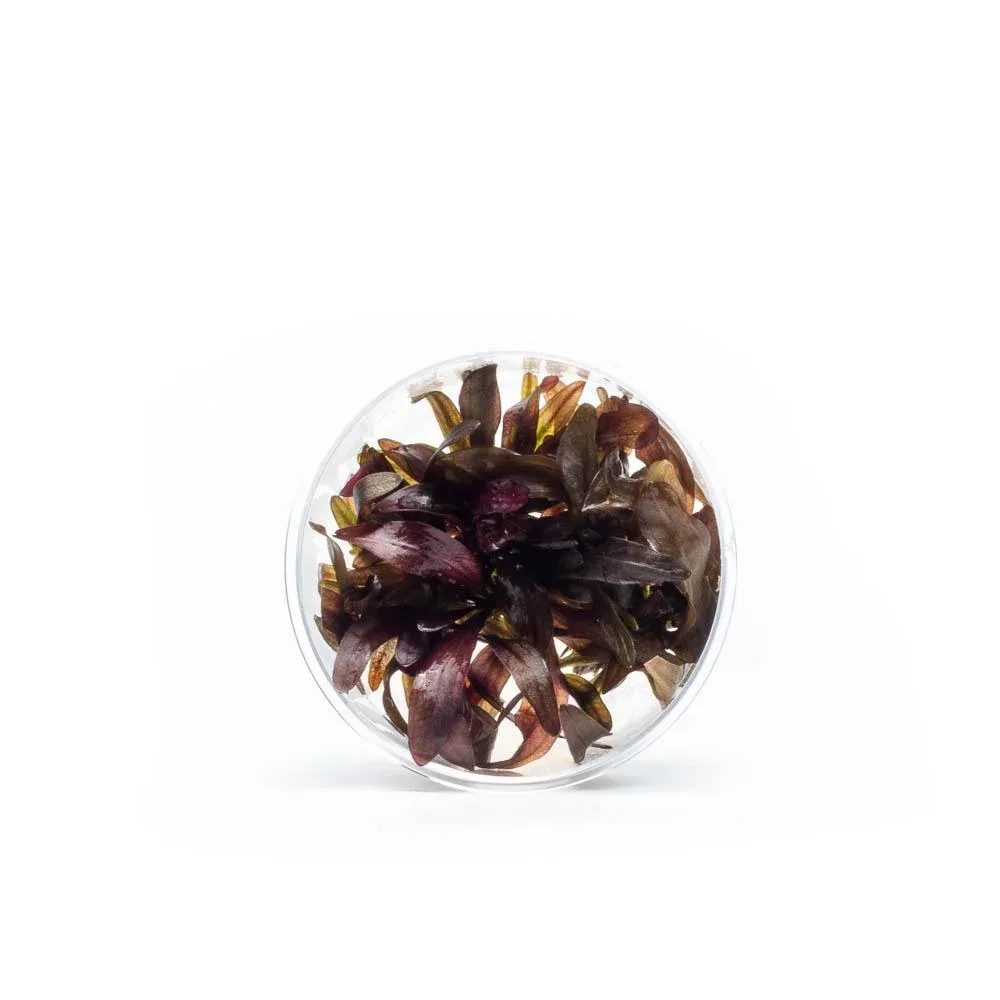
Echinodorus Horemanii Red is a cultivated sword plant valued for its slender, wavy foliage and rich color transitions. Emerging new leaves display bright red to reddish-pink tones before turning dark green while keeping red outlines along the leaf margins. Reaching 8 to 12 inches in height, its narrow upright structure makes it an effective background choice or central midground feature in medium to large aquariums. Because it grows well under low lighting without mandatory CO2 injection, it serves as a beginner-friendly and low-tech plant option for aquarists setting up low-maintenance planted tanks.
Tissue Culture cups ensure your aquascape gets a super clean starting point. Lab‑grown and fully sterile, it arrives without pests, snails, duckweed, or any unwanted algae. It’s the go‑to option for anyone who wants peace of mind when adding fresh greenery to a carefully maintained setup.
Key Features & Benefits
Slightly wavy, narrow foliage transitions from red on young growth to dark green with red margins on mature leaves.
Upright rosette habit provides tall structural presence in midground and background zones.
Care & Planting Instructions
Thoroughly wash away the nutrient gel from the roots with your fingers before parting it out into manageable portions.
Plant the roots firmly into your aquarium soil, ensuring the central crown remains positioned slightly above the substrate line to avoid tissue rot.
All Echinodorus are heavy root feeders that rely on rich substrate nutrition; placing root tabs near the base supports steady, healthy leaf development.
Provide low to moderate lighting; while CO2 is not required, supplying moderate light and liquid iron supplements helps bring out the red highlights on newly emerging leaves. See our guide to growing red aquarium plants.
Maintain stable water parameters to avoid leaf melting during the transition to submerged growth.
To propagate, separate new daughter plantlets that form along the crown or runner stems once they develop independent roots, then replant them into your aquarium soil. Read our trimming & propagation guide for details.
Quick Facts
Listed information should be treated as general guidelines only. Team Buce Plant encourages you to do thorough research to ensure healthy growth!
Attribute
Specification
Scientific Name
Echinodorus horemanii ‘Red’
Common Name(s)
Horemanii Red Sword, Echinodorus Horemanii Red
Family
Alismataceae
Plant Type / Taxonomy
Tissue Culture Rosette Sword Plant
Care Difficulty
Easy
Light Requirement
Low to Moderate
CO2 Requirement
Optional / Not Required
Placement / Usage
Midground / Background Focal Point
Height / Size
8–12”+ (Cup portion size: 2–3”)
Growth Rate
Slow to Moderate
Water Parameters
pH 6.0–7.5
Propagation Method
Crown Division / Daughter Plantlet Separation
Origin
Cultivar / Hybrid Variant
Frequently Asked Questions
1. How do I prepare Echinodorus Horemanii Red Tissue Culture before planting?
Rinse the gel completely off the roots in a bowl of room-temperature water. Once clean, divide the cluster into individual plantlets or small clumps and insert the roots into your aquarium soil using fine pinsettes.
2. Is Echinodorus Horemanii Red suitable for low-tech aquariums?
Yes, Echinodorus Horemanii Red is a low-tech species that grows well under low to moderate lighting without CO2 injection. Adding root tabs to your aquarium soil helps provide the root nutrition needed for healthy foliage.
3. Why are root tabs recommended for sword plants grown from tissue culture?
Echinodorus species absorb most of their nutrients through their root systems rather than relying strictly on liquid fertilizers in the water column. Placing root tabs directly in your aquarium soil supports steady root anchoring and leaf development after planting.