
Description
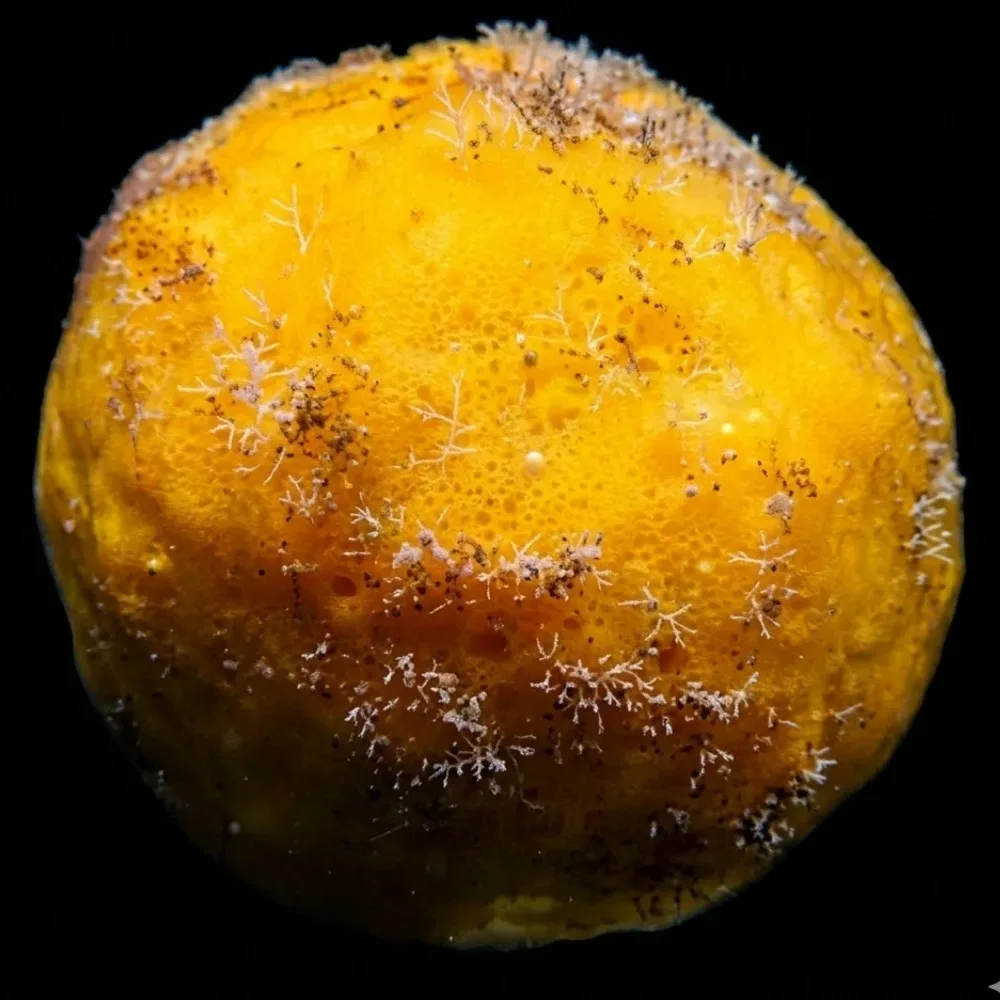
Yellow ball sponges *Photo is a representation of the fish you will receive.* Yellow ball sponges, primarily identified as Cinachyrella alloclada or Tethya aurantia (often called golf ball or moon sponges), are small, roughly spherical marine sponges that bring a vibrant splash of yellow to marine environments. They are a popular, hardy, and decorative addition to marine aquariums, known for their bright color and efficient filter-feeding capabilities. Appearance and Structure Shape: They are generally spherical or orb-like, typically ranging from 3–6 cm (around the size of a golf ball or tennis ball). Color: Bright, intense yellow. Surface: The surface is typically textured, often described as having numerous craters, small holes, or small volcano-like “nipples” (oscula) that can retract. Texture: They are generally dense and firm to the touch. Habitat and Behavior Range: Found in various parts of the Atlantic Ocean and Mediterranean. Environment: They live attached to rubble, rocks, and cave walls, often in areas with strong currents. Feeding: They are sessile filter feeders, meaning they remain in one place and filter suspended bacteria, fine detritus, and plankton from the water. Hardiness: They are considered very hardy compared to other sponges and can even survive in low-light, high-current, or sometimes even fully covered environments. Aquarium Care Tips Submerged Only: Critically, these sponges should never be exposed to air. Air can become trapped in their internal channels, blocking their ability to feed and leading to starvation. Placement: Best placed in low-to-moderate light to prevent algae from growing on them, often in shaded areas. Water Flow: They require moderate-to-high water movement to bring them food and carry away waste. Feeding: They benefit from regular feeding of phytoplankton or other dissolved micro foods. Handling: When adding to a tank, they should be submerged and kept in the water the entire time, often by opening the transport bag underwater. Safety Note: They are considered reef-safe and compatible with most marine tanks, including those with seahorses.